The $12,800 Mistake That Taught Me Not All Knit Fabric is Created Equal
The Project That Looked Perfect on Paper
Back in March 2024, I was tasked with sourcing production for a new activewear line. The brief was straightforward: we needed a mix of products—yoga fabrics manufacturer for our core leggings, some striped jersey fabric for coordinating tees, and a small run of swimwear using nylon fabric for swimwear. Oh, and we also needed some mesh fabric for clothing for the ventilation panels. (Simple, right?)
I found a supplier in Guangdong who claimed to handle it all. They said they were a china knitted fabric specialist, which covered the jersey and the yoga fabric. They also assured me they had experience with waffle knit cotton for a separate accessory line I was considering. Their pitch was convincing: one factory, one point of contact, one logistical headache instead of four.
The numbers said go with them—the initial quote was 22% cheaper than splitting the order between two or three specialized mills. My gut, however, felt a little uneasy. They were a bit too eager to say "yes" to everything. But I ignored the feeling. (I should mention, I was under pressure to consolidate vendors and reduce admin work.)
The First Red Flag (Which I Ignored)
The first red flag appeared during the sampling phase. The striped jersey fabric sample was beautiful—clean lines, great hand feel. The nylon fabric for swimwear sample felt okay, but not great. It didn't have that "snap" you expect from good swimwear Lycra. When I asked about it, the sales rep said, "Don't worry, the production run will use a higher-grade nylon. The sample was just to show the color."
I pushed back a little. But he countered with the price advantage and the convenience of a single factory. In hindsight, this was the moment I should have walked. A specialist in nylon fabric for swimwear wouldn't have sent a sample that felt wrong. They would have sent the right stuff from day one. Let me rephrase that: they would have known the right stuff to send.
The Disaster Unfolds
The order was for approximately 8,600 units across all lines—a mix of cut-and-sew for the garments and roll goods for the fabrics. Total cost: $12,800. Not the biggest order I've ever placed, but significant enough to hurt. We had a tight deadline for a summer launch.
Production took 6 weeks. When the shipment arrived, I knew something was wrong before I even opened the boxes. The smell was... chemical. Not the usual new-textile smell.
The yoga fabrics manufacturer had delivered the yoga fabric. It was stretchy, but the recovery was wrong. You know how good yoga fabric should snap back into shape? This one stayed stretched out after 10 minutes on a mannequin. Useless for leggings. The striped jersey fabric had the stripes warped on three of the six colorways. (Note to self: always check stripe alignment on a production roll, not just a sample.)
The nylon fabric for swimwear was a complete failure. It didn't meet the chlorine resistance specs we needed. It would have started fading and losing shape after maybe 10 swims. The waffle knit cotton (circa April 2024, I ordered this) was fine, actually. That was the one thing they got right. But the mesh fabric for clothing was too stiff—it didn't have the flexibility needed for the panel cutouts.
The Fallout
The rejection rate was around 65% of the total order. We salvaged the waffle knit and some of the jersey (the non-warped rolls). The rest went back. Total cost of the re-do with specialist mills: $8,200 for replacement fabrics. The original $12,800? Mostly gone. We got a partial refund from the supplier after a difficult negotiation—about $4,000. But the real cost was the delay.
That order disruption meant we missed the summer launch window. We ended up launching in late August instead of June. Estimated lost revenue based on pre-orders? Probably around $22,000.
What I Learned: The Vendor Who Says 'Yes' To Everything
The core lesson here is embodied in the expertise_boundary philosophy. The factory was a competent china knitted fabric manufacturer for basic jersey and maybe simple activewear. But they were not a specialist in nylon fabric for swimwear. They were not a specialist in high-recovery yoga fabrics manufacturer. And they clearly weren't set up for the precise dyeing and finishing required for good striped jersey fabric without warping.
The vendor who says "yes" to everything is usually the vendor who does nothing perfectly. I'd rather work with a specialist who knows their limits than a generalist who overpromises. Now, I have a pre-check list for any multi-fabric order:
- Verify expertise with a secondary sample. Not just a standard lab dip, but a production-mimicking run.
- Ask specific technical questions. "What GSM do you recommend for recovery in this yoga fabric?" A specialist will have an immediate answer. A generalist will guess.
- Check their existing clients. Do they supply swimwear brands, or just basic t-shirt brands?
This was accurate as of Q2 2024. The textile sourcing market changes fast, so verify current capabilities and pricing before budgeting. My experience is based on about 40-50 orders with different Chinese mills. If you're working with premium or ultra-budget segments, your experience might differ significantly.
I learned this lesson the hard way so you don't have to.
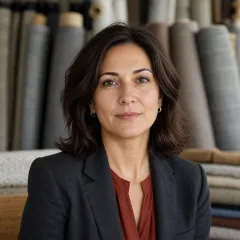
Lucia Bianchi
Lucia Bianchi is a woven apparel-fabric analyst covering cotton, linen, wool, rayon, denim, shirting, twill, satin, poplin, and blended garment fabrics. She applies the ISO 1833 series for fibre composition and ISO 105-C06 for laundering colourfastness while checking GSM, yarn count, usable width, shrinkage, skew, shade grade, drape, and surface defects. Her specification guides help designers, sourcing teams, and mills align fibre claims, lab dips, bulk tolerances, care conditions, and garment performance before production approval.